

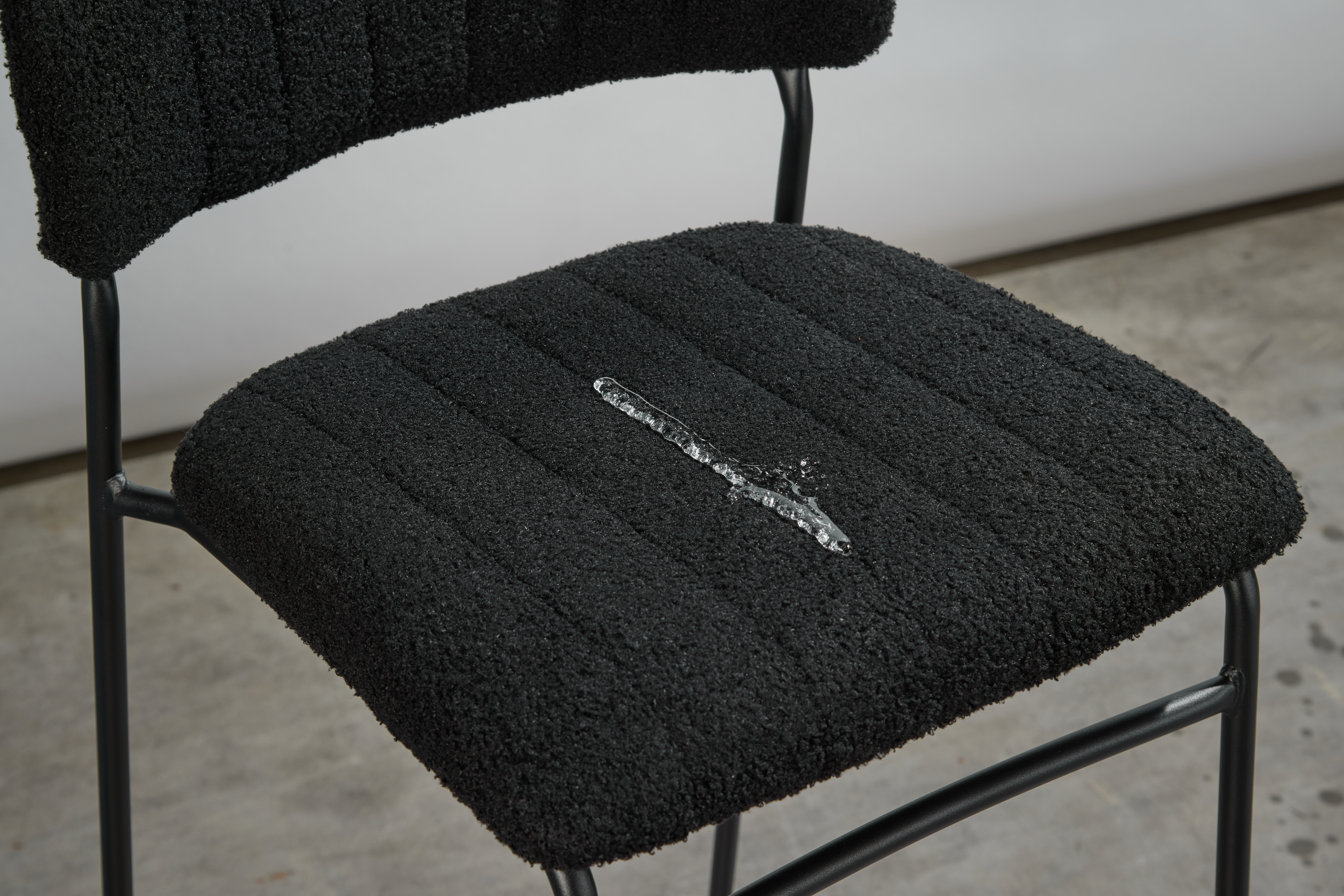
You can choose the best materials, but if the maintenance isn't right, you'll see it quickly. Not because the furniture is suddenly “bad,” but because intensive use in B2B simply leaves its mark. Think of quick cleaning, frequent transport, and stacking at events. How do you best maintain your materials in such circumstances? The good news is that proper maintenance doesn't have to become an extra chore. With a few smart habits, your furniture will stay neat and professional for longer. In this guide, we show you exactly how to best maintain your materials, without unnecessary wear and tear or loss of time.
In this blog, you will find a practical maintenance guide for indoor and outdoor furniture. You will find a quick do's & don'ts list, sector-specific tips, and a simple schedule that works in practice. This way, you know exactly how best to maintain your materials for each application and environment.
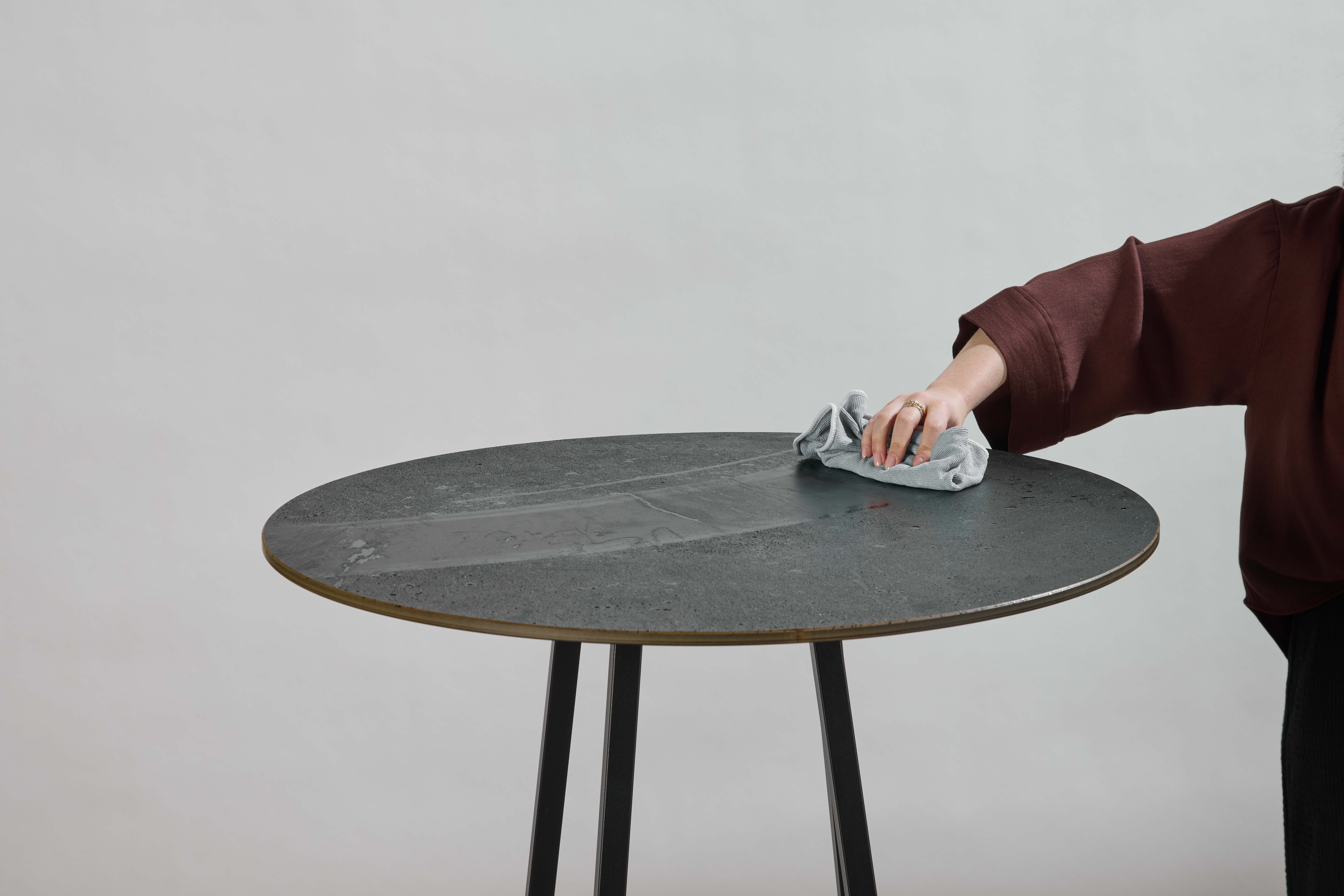
How to best maintain your equipment with these do's and don'ts
Do's
- Clean with lukewarm water and a soft cloth or microfiber.
- For grease, sunscreen, and stubborn stains, use a pH-neutral cleaner and rinse briefly afterwards.
- When used outdoors, regularly remove dust, sand, or salt film to prevent "burning in" due to sun and heat.
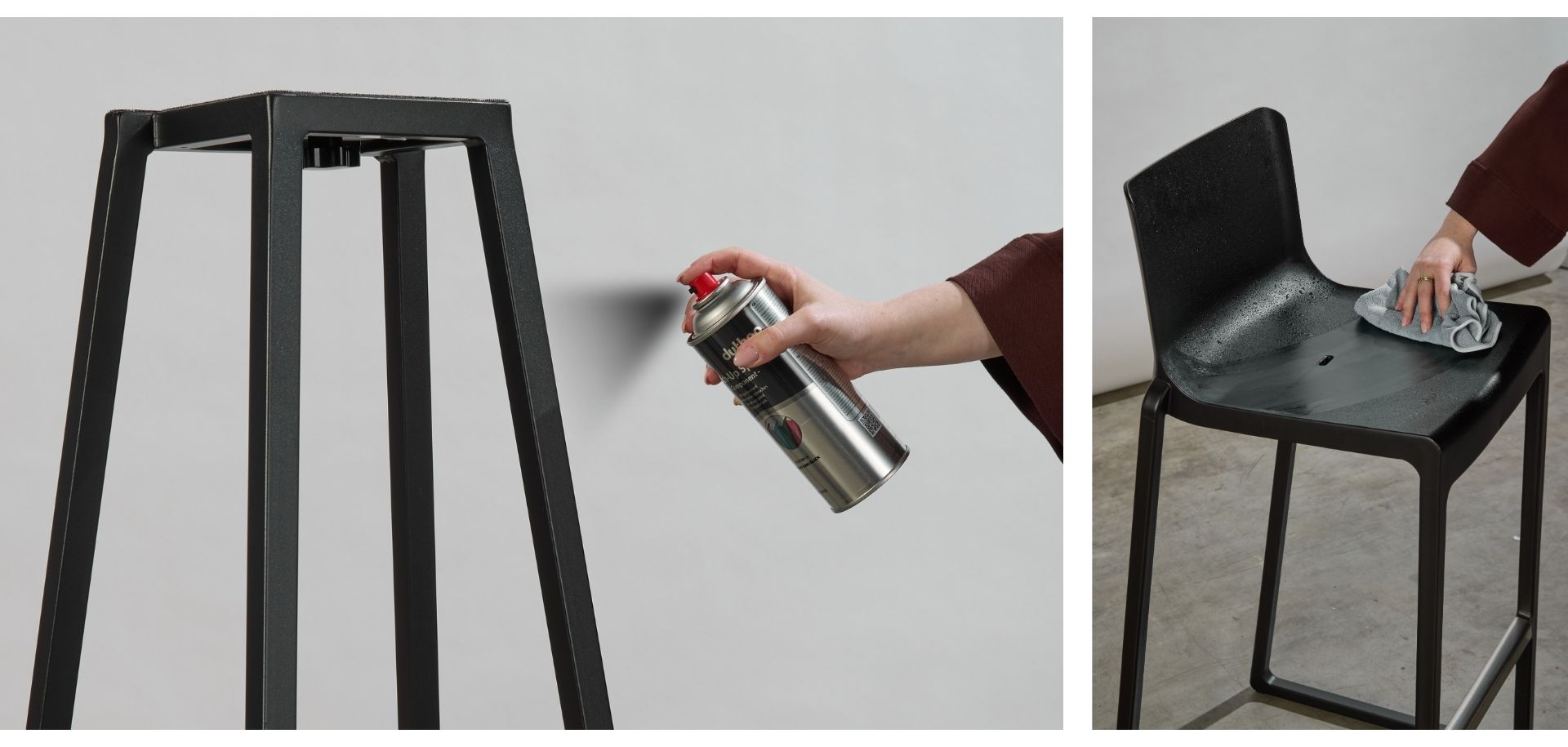
- Check metal frames (aluminum and powder-coated steel) occasionally for scratches, especially at contact points caused by stacking and transport.
Don'ts
- Avoid high-pressure cleaners, as these can damage coatings and surfaces.
- Do not use scouring pads or aggressive degreasers, as these will make materials dull and rougher over time.
- Do not leave table tops intended for indoor use, such as melamine and core laminate, permanently outdoors; moisture/rain can cause damage through the edges.
- With glass fiber-reinforced materials, high pressure can expose glass fibers. This is unpleasant upon contact and can irritate the skin. Therefore, high pressure is strongly discouraged in this case.
What works where
The best approach per sector
Maintenance is not the same everywhere. A meeting room experiences different stains and wear and tear than a festival site. How do you best maintain your materials in every context? Below, you will find the most feasible approach per sector, so that your furniture stays neat longer and doesn't look "used" sooner.
Hospitality and terrace
On a terrace, things need to move quickly, and everything must be able to withstand weather and stains. That is why aluminium (lightweight, rust-free), outdoor plastic (PP/PE materials that are UV- and water-resistant), and compact HPL tabletops (robust, easy to clean) work best here. Consider our collections: Flow, Linea, Wings, Vase, Conic and Conic-O, supplemented with stacking chairs such as Wave, Arco, Audrey, Pepper, Jade and June.
Maintenance: Briefly clean daily and tackle stains immediately. Outside, occasionally sweep away dust/sand so that dirt does not “bake in”.
Event and festival
Workflow and transport take precedence here. Choose aluminum or steel with a good coating for sturdiness, plastic for stackability, and compact HPL for tables that have to withstand a lot. Collections such as Kubo, Vase and Linea give a sleek look, and our festival beer banquet tables remain strong for volume.
Maintenance: quick clean and check contact points after every event. Touch up scratches caused by stacking in a timely manner, especially on steel.
Meeting rooms and businesses
Indoors, it is all about a neat look with minimal hassle. Core melamine and laminate make sense here, together with Alice, Mundi and chairs such as Nina, Teddy and Curvo.
Maintenance: clean gently, wipe away stains immediately, and do not place tabletops in damp storage areas.
Hospitality and hotels
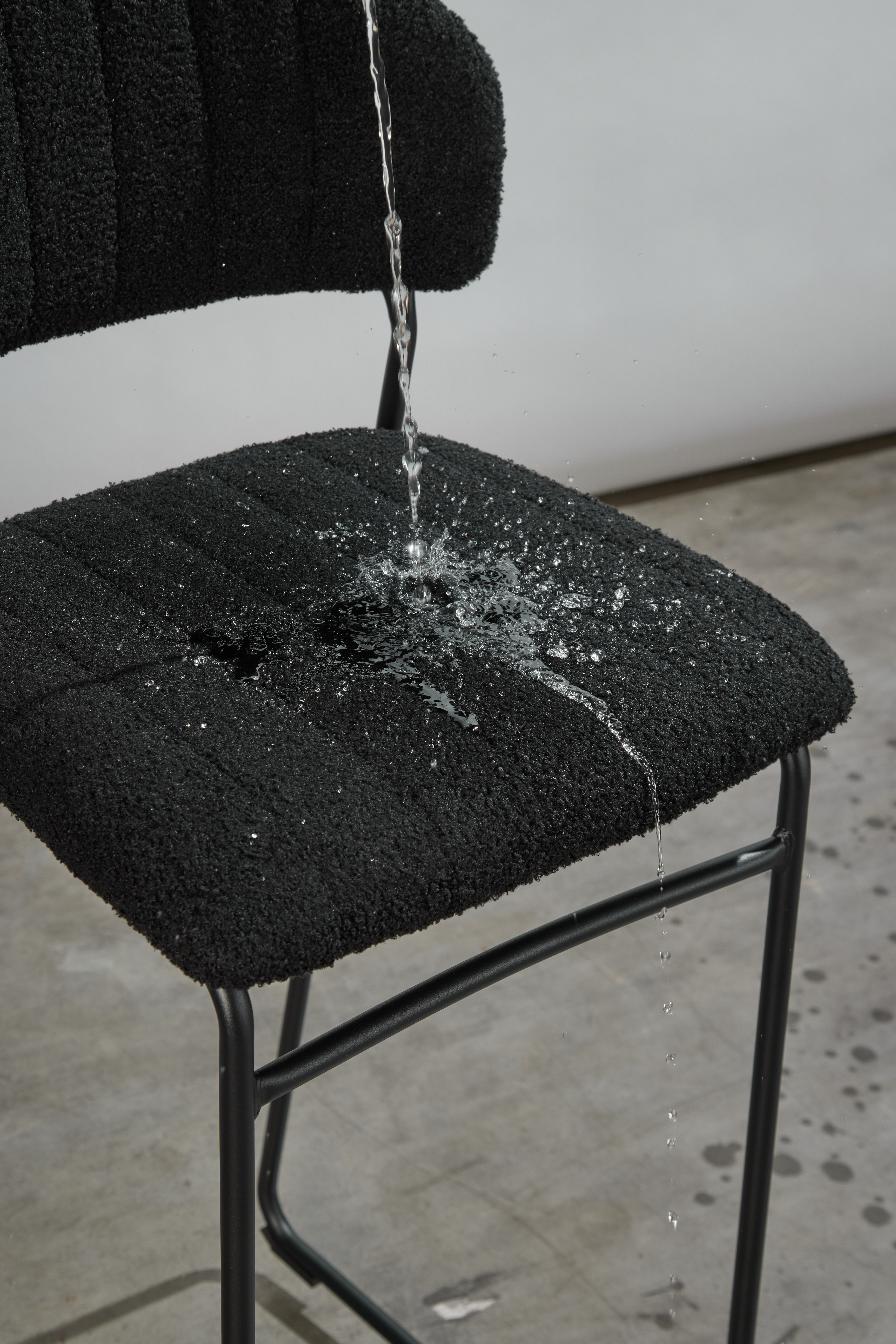
For lobbies and reception areas, you want low-maintenance and comfortable materials. In busy zones, outdoor-grade materials (aluminum, synthetics, compact HPL) also work very well indoors. For seating comfort, velvet, teddy and polyester (linen look) suitable, preferably fire-retardant and Teflon-treated for fewer stains and easier maintenance.
Maintenance: fixed routine with daily cleaning, treating stains immediately, and regularly refreshing covers/cushions.
Outdoor and recreation
Prolonged outdoor use requires aluminium, UV-resistant plastics, and compact HPL. Consider Palm, Conic-O, Vase, Linea and Wings, with stacking chairs such as Jade and June for flexibility.
Maintenance: regularly remove dust/sand/salt film and, if possible, store dry and protected out of season.
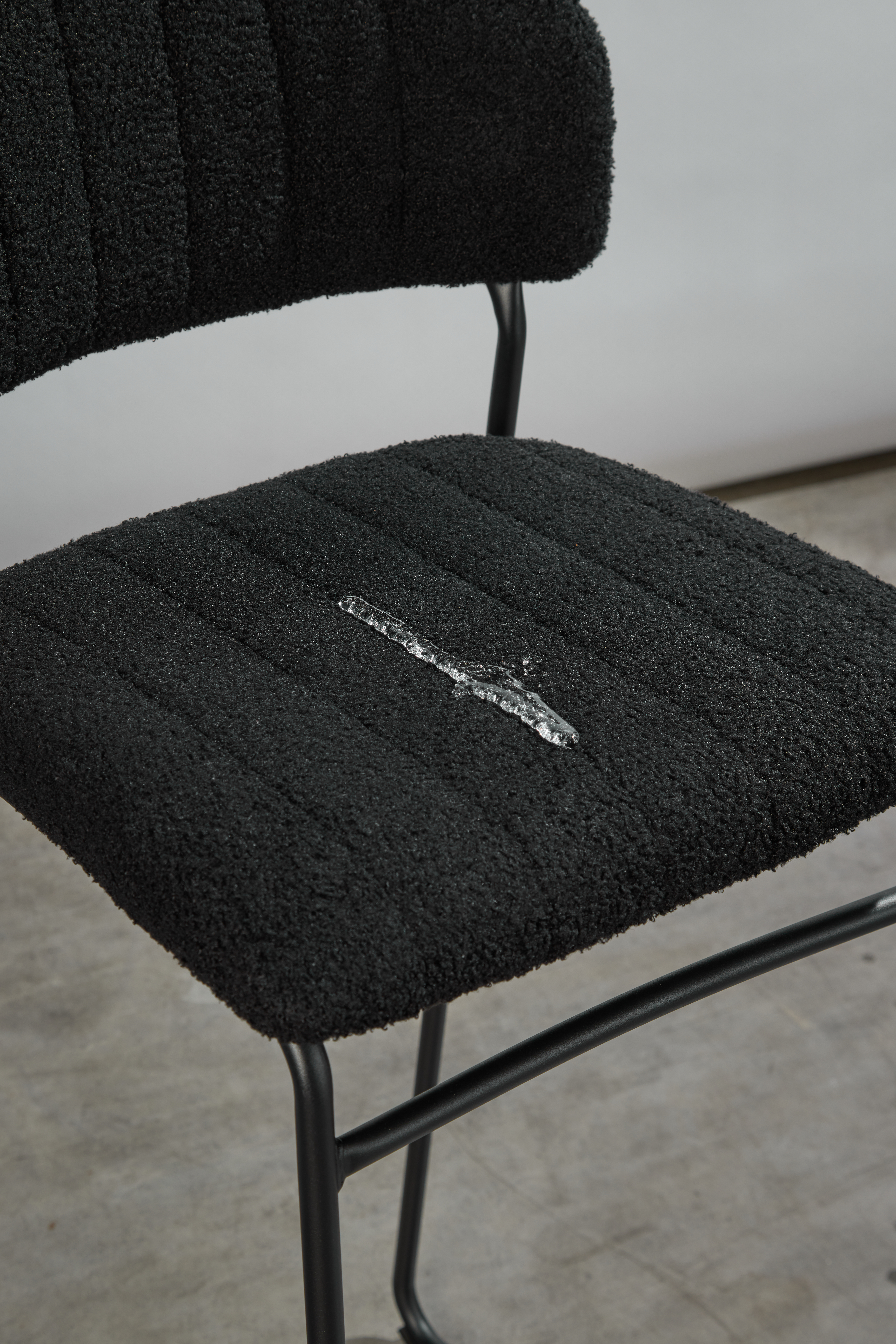
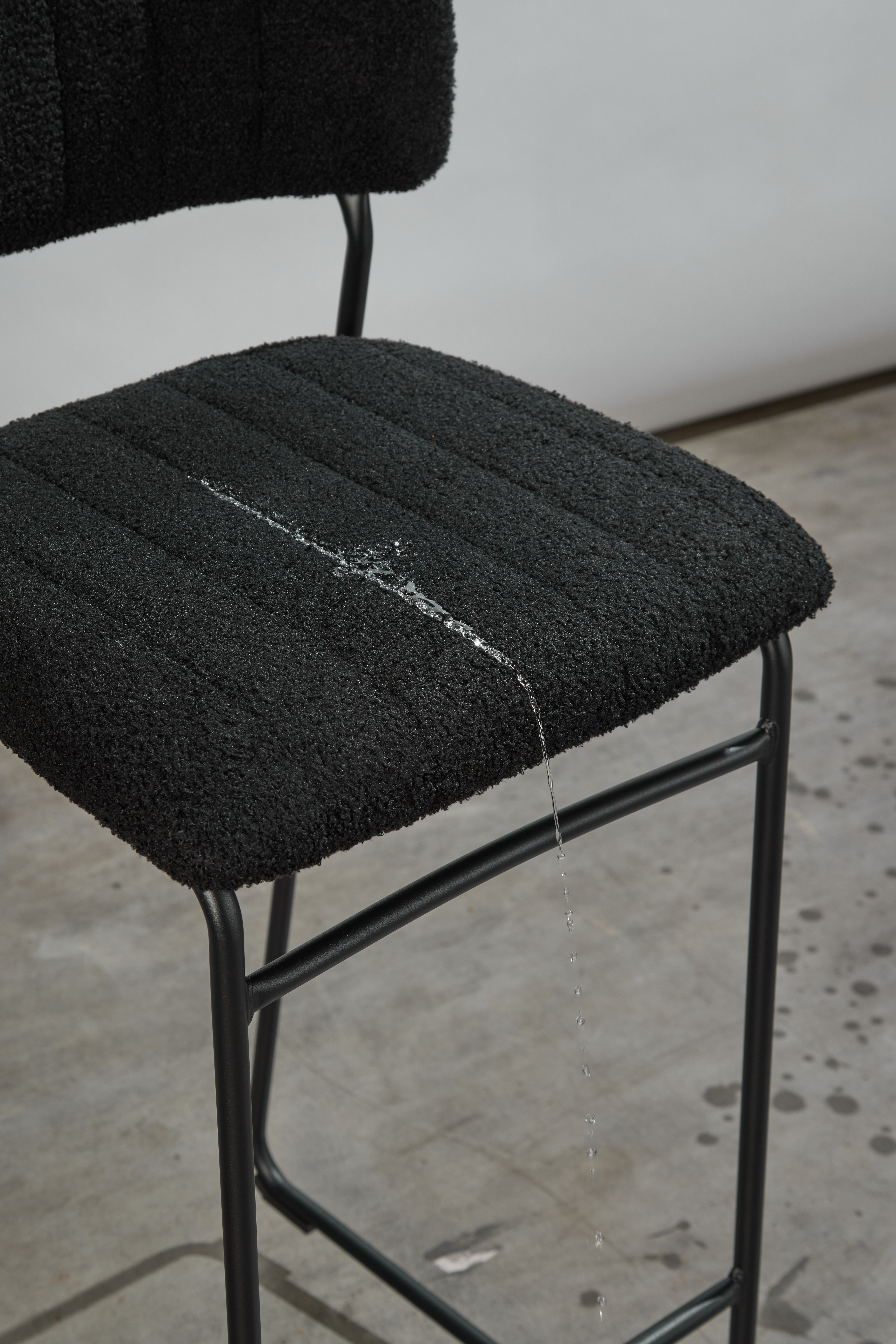
Your schedule per day/week/season
The simpler your routine, the longer your furniture stays looking sleek.
Daily
Just wipe it off with lukewarm water and a soft cloth. If you see a stain of grease, coffee, wine, or sunscreen, deal with it immediately. Outdoors, it also helps to quickly wipe away dust or sand.
Weekly
Clean more thoroughly with a pH-neutral cleaner where necessary and rinse (especially for outdoor use). Briefly inspect for scratches and loose connections, particularly on stacking and transport furniture. Air or wash covers/cushions if possible.
Seasonal
Before the start of the season: clean thoroughly, check for damage and touch up where necessary. After the season: store dry and clean, do not stack wet, keep cushions dry and ventilated.
FAQ
May I use a pressure washer? for cleaning my tables and chairs?
Flexfurn strongly advises against this. A high-pressure cleaner can damage surfaces and remove protective coatings. With fiberglass-reinforced materials, the fibers can become exposed, making the risk of physical injury (e.g., minor cuts) and property damage (e.g., damaged clothing) real.
How do I prevent rust on metal frames?
Flexfurn strongly advises against this. A high-pressure cleaner can damage surfaces and remove protective coatings. With fiberglass-reinforced materials, the fibers can become exposed, making the risk of physical injury (e.g., minor cuts) and property damage (e.g., damaged clothing) real.
How do I remove grease and sunscreen stains?
Use a pH-neutral cleaner and rinse afterwards. The sooner you tackle it, the easier it is to remove.