

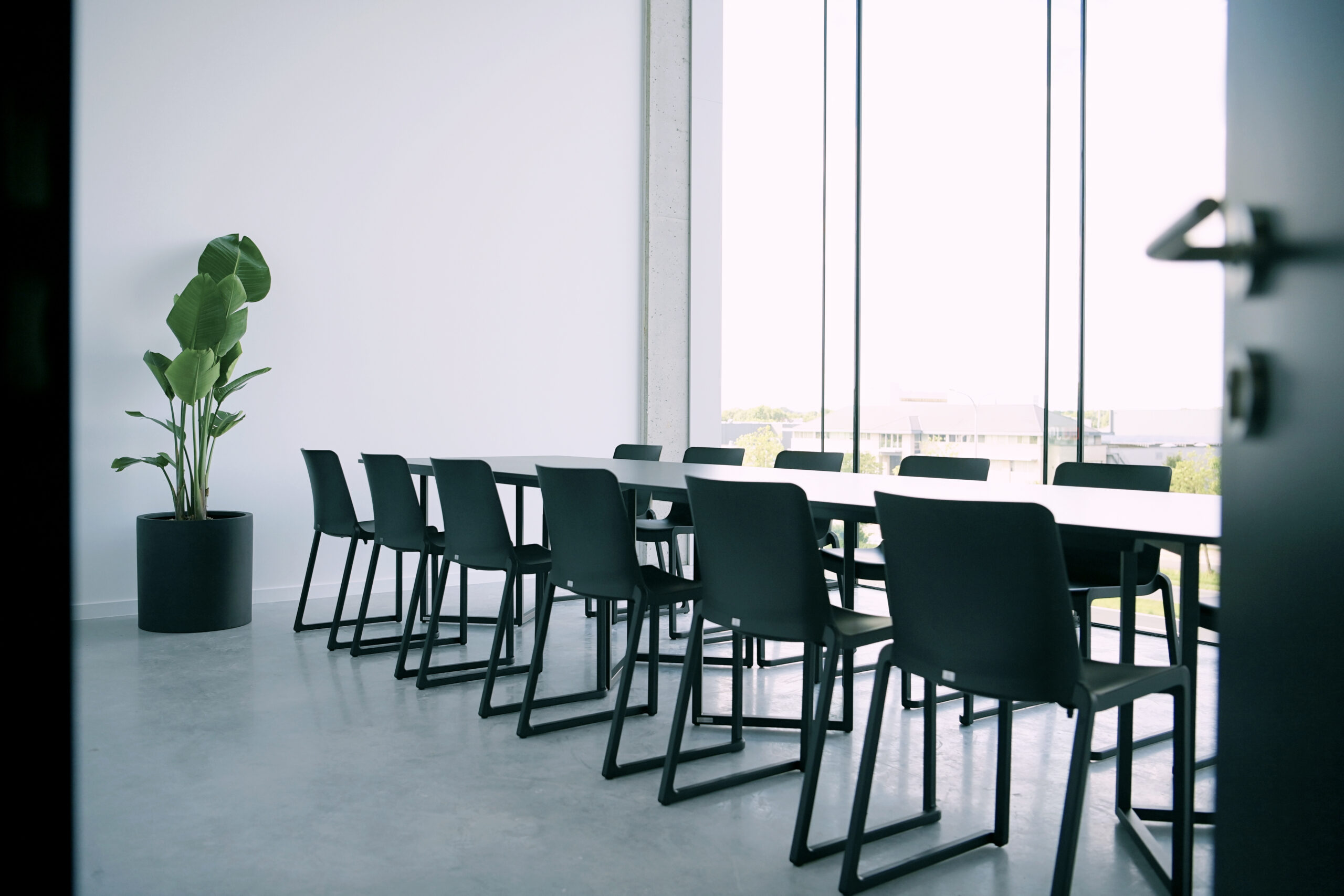
A fixed table with ten chairs is no longer enough. Companies switch daily between client presentations, internal brainstorms, hybrid meetings, and workshops. If the layout is not tailored to this, you lose time every day moving furniture, searching for materials, and working in a space that does not look professional.
In this blog, you will read how to furnish a meeting room that can handle multiple functions, looks neat, and causes no hassle in daily use.
Why the classic meeting room no longer works
The way teams collaborate has changed dramatically in recent years. Hybrid meetings have become the standard, workshops require different setups than board meetings, and the same room sometimes has to be converted within fifteen minutes for a completely different purpose.
In practice, this results in three common problems: furniture that is too heavy to move quickly, a lack of storage space causing chairs and tables to get in the way, and a cluttered appearance that detracts from your company's professional image.
Four requirements for a modern meeting room
1. Quick switch between formations
A meeting room that takes twenty minutes to move around costs dozens of hours annually. Choose furniture on wheels. (transport cart) or with a low weight, so that one person can rearrange the space within five minutes.
2. Representative appearance with every setup
The meeting room is often the first thing your company's clients and partners see. Whether it is a U-shaped arrangement for a training session or a boardroom setup for an executive meeting, the space must look presentable in every configuration. This calls for furniture with a consistent design that works visually in multiple combinations.
3. Smart storage without wasting space
Stackable chairs and folding tables They are only useful if you have room for them. Calculate in advance how many square meters you need for storage and choose furniture that is compact enough to fit the niche. Transport carts help to move and store larger numbers of chairs quickly and ergonomically.
4. Sustainability and maintenance
Conference furniture is subjected to intensive use: moved, stacked, and loaded multiple times a day. Materials must withstand this for years without visible wear. When making your choice, look for wear-resistant upholstery, scratch-resistant frames, and easy-to-clean surfaces.
(Read more about maintaining your materials)
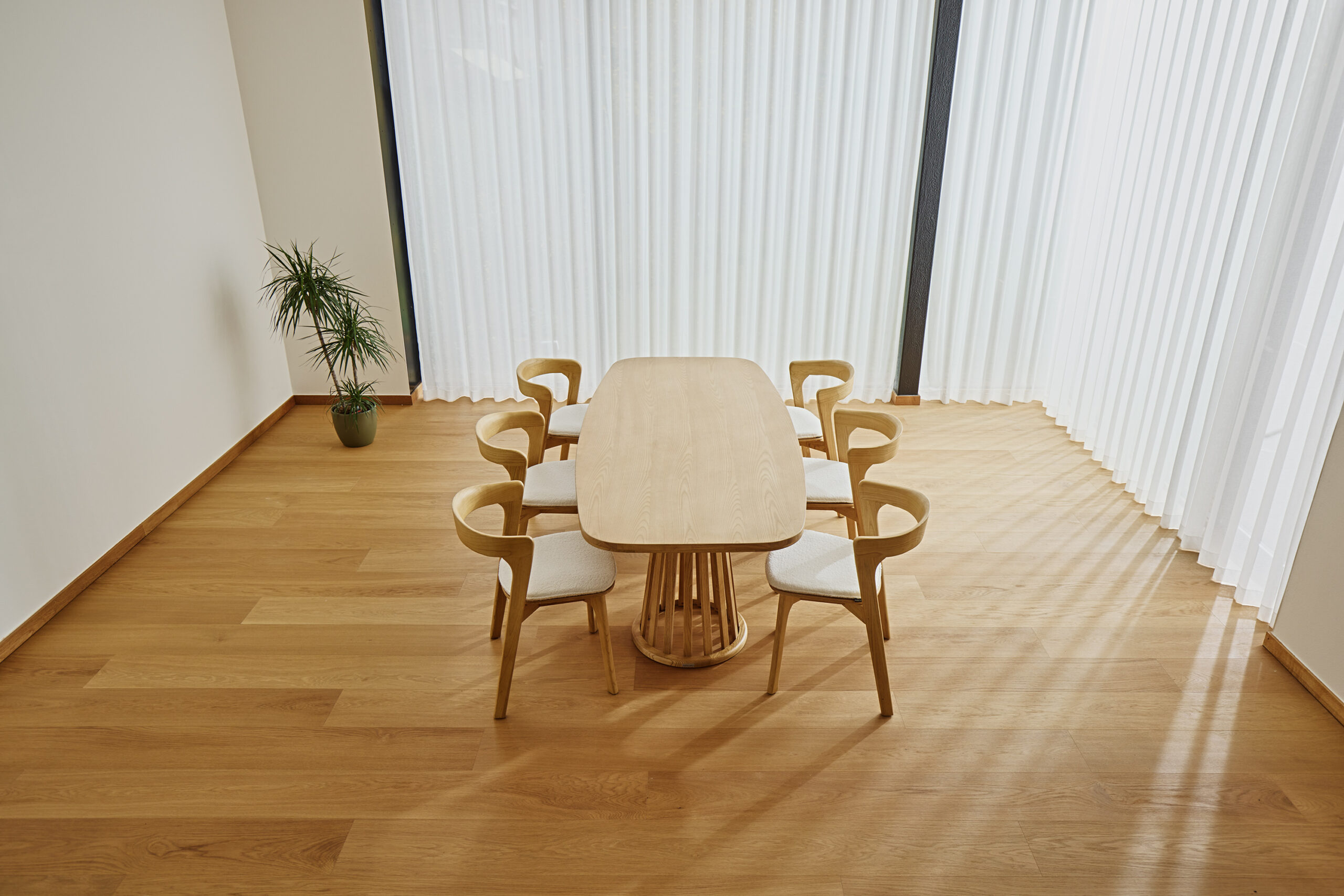
Which furniture suits a multifunctional meeting room?
Stackable meeting chairs
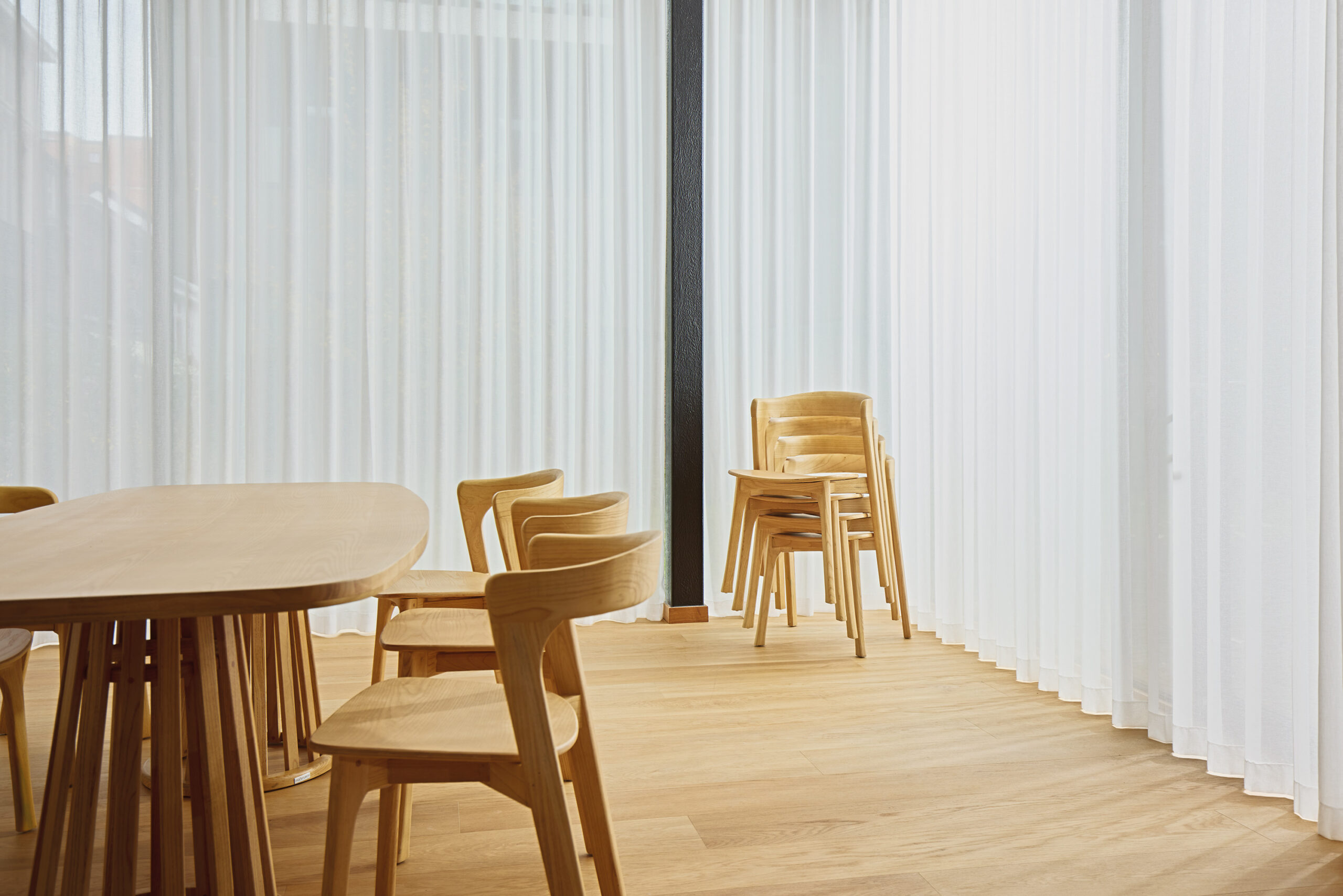
Models such as the Kasar, Nina or Curvo They combine seating comfort with a compact, stackable design. They are light enough to move quickly, but sturdy enough for intensive daily use. Choose a model with a wide seat if meetings regularly last longer than an hour.
Modular meeting tables
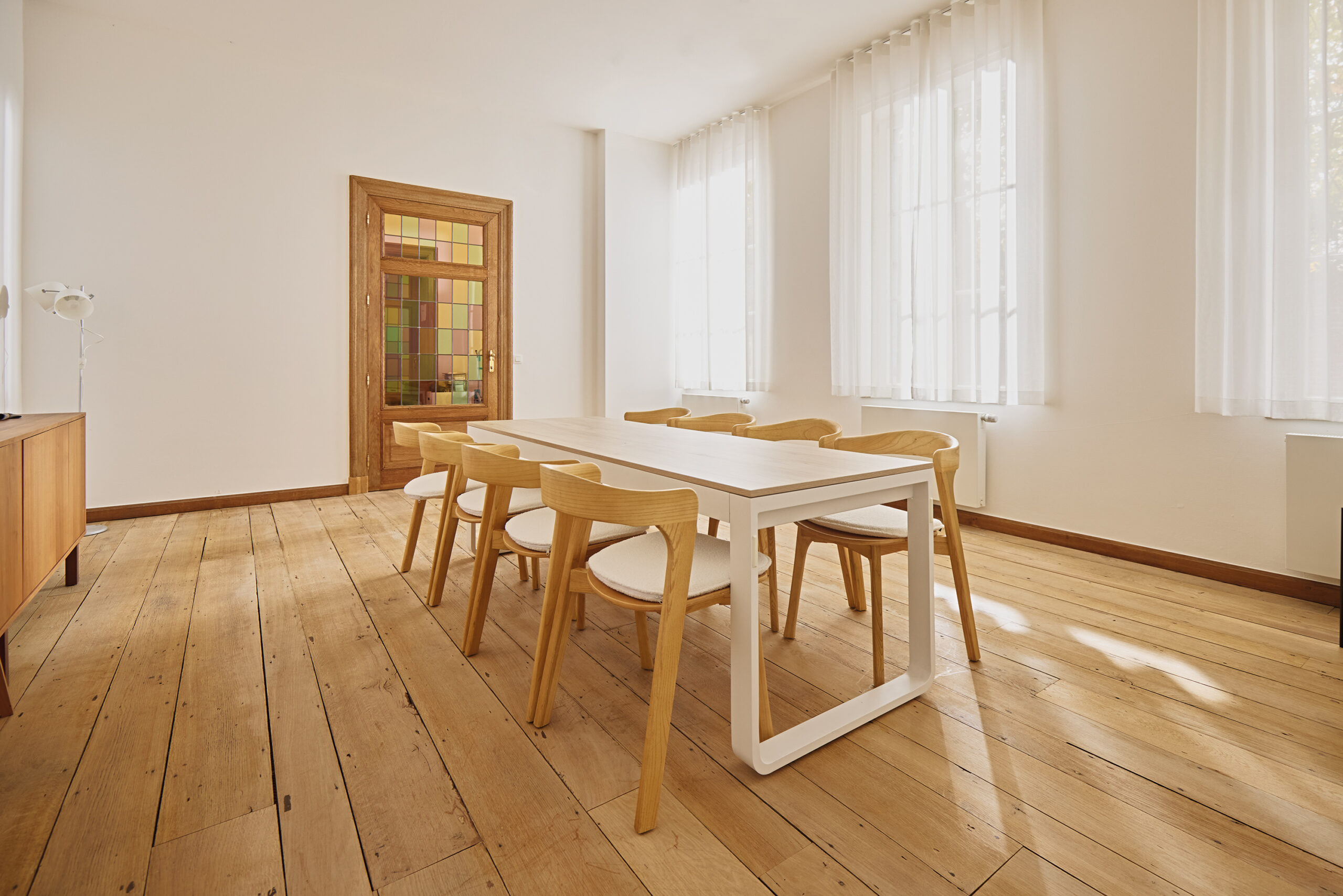
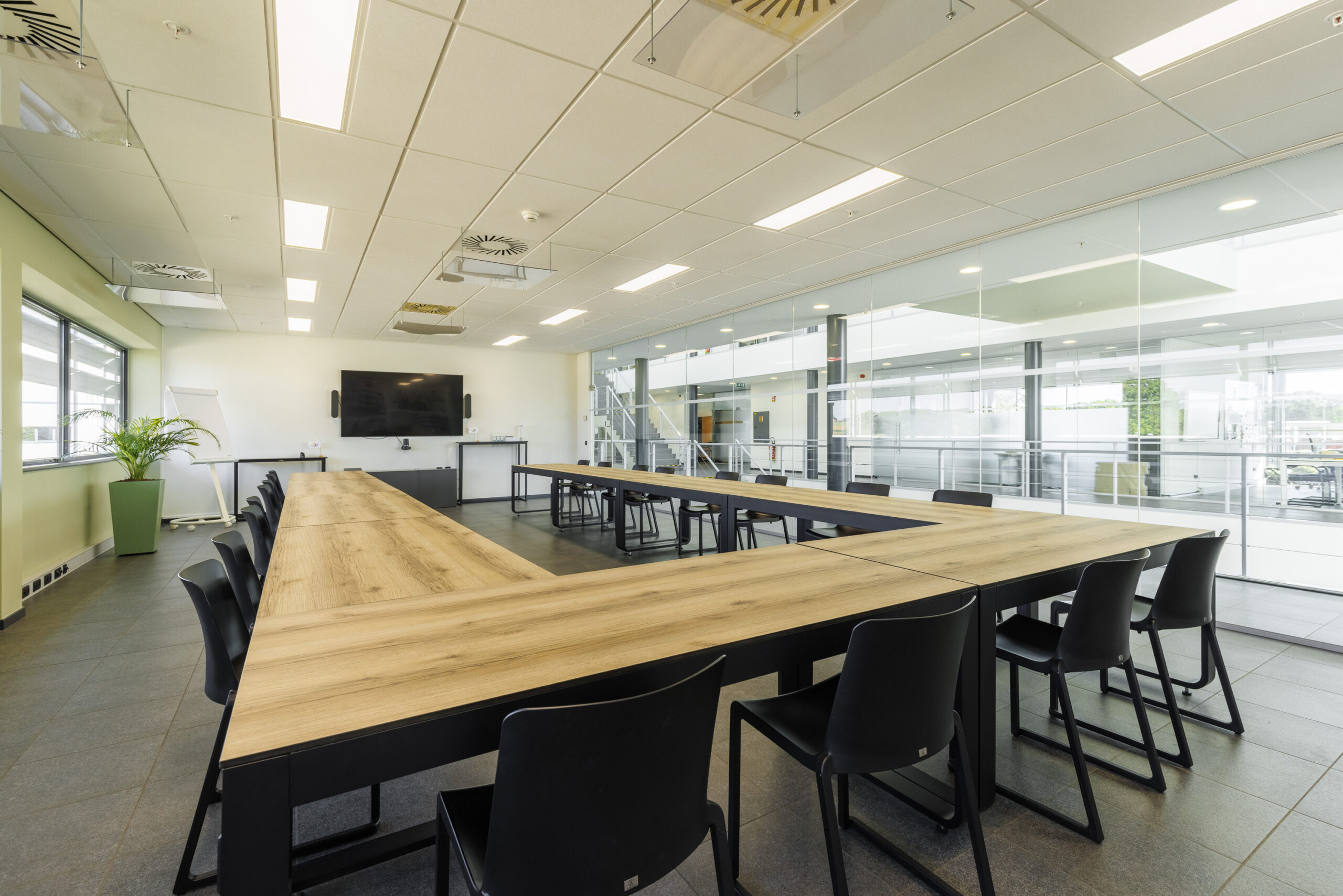
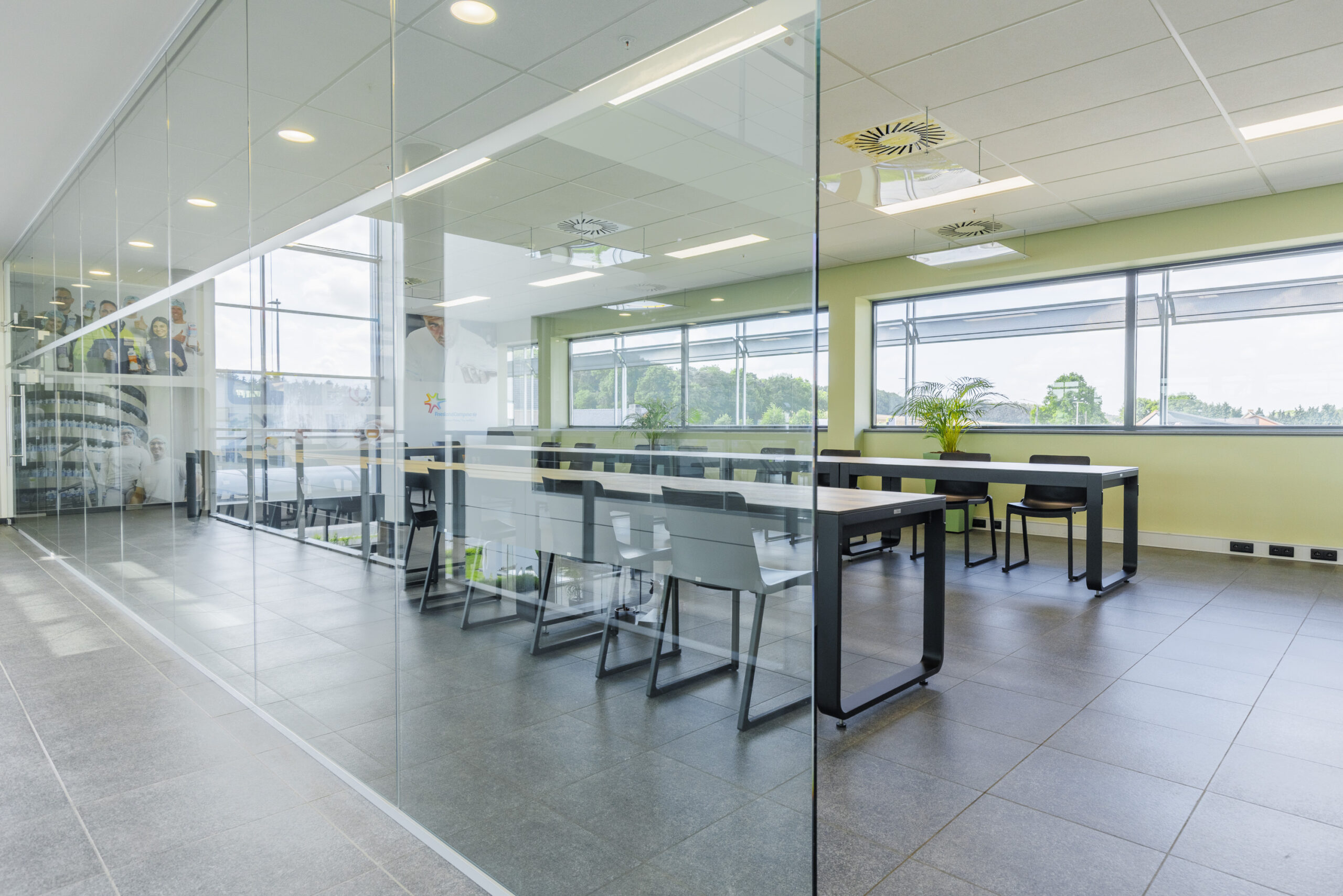
Table systems as Flow, Tribo, Wings or Mundi Consist of separate elements that can be combined with various configurations—a L-shape, a U-shape, or individual work islands. Thanks to a coupling system, the tables remain stable, even in larger configurations. Models on wheels with brakes offer extra convenience when rearranging.
Transport trolleys and storage solutions
For companies that switch between configurations daily, transport carts indispensable. They reduce physical strain on staff and prevent damage to chairs and floors. Choose a trolley that matches the stacking profile of your chair model.
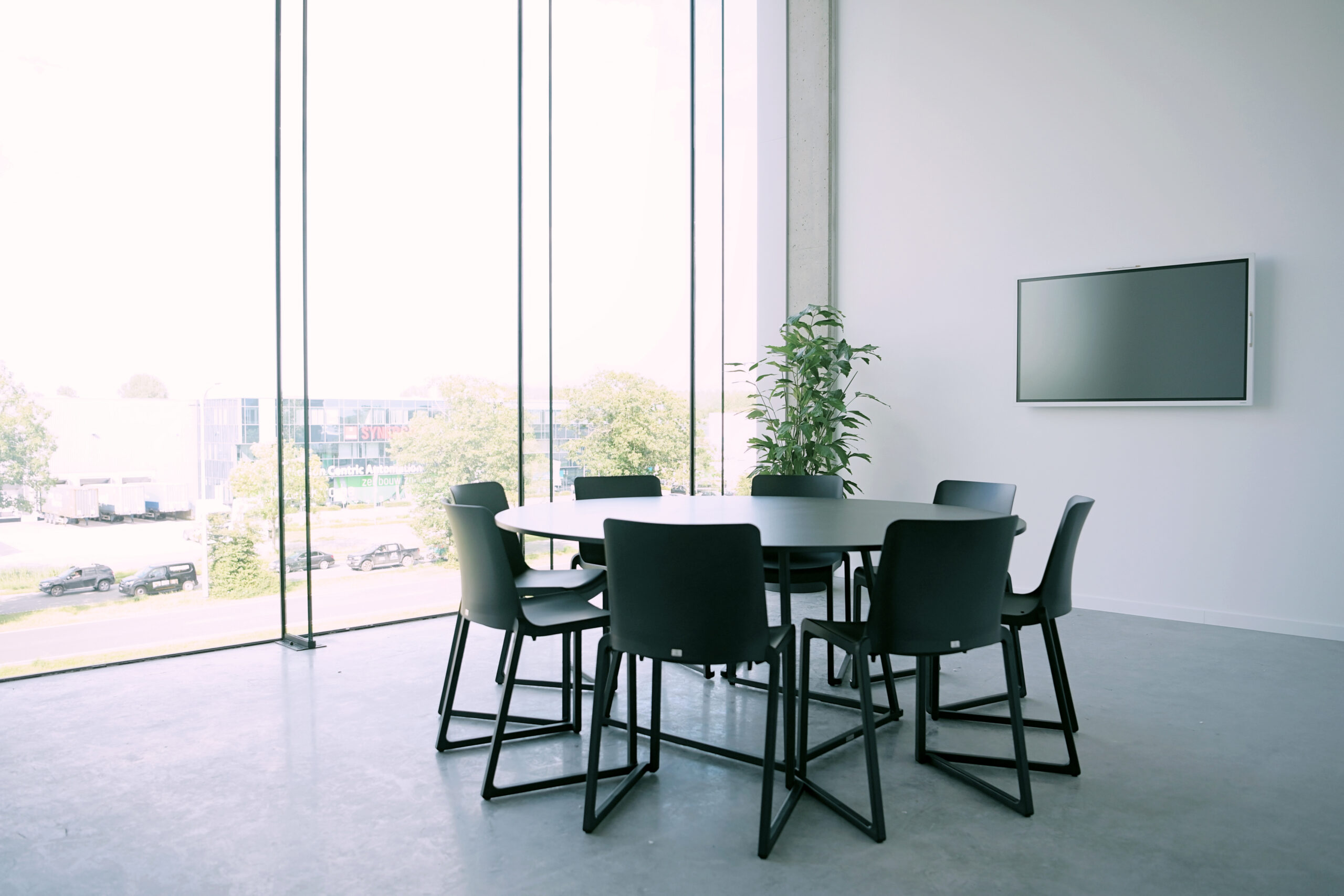
Five formations and when to use them
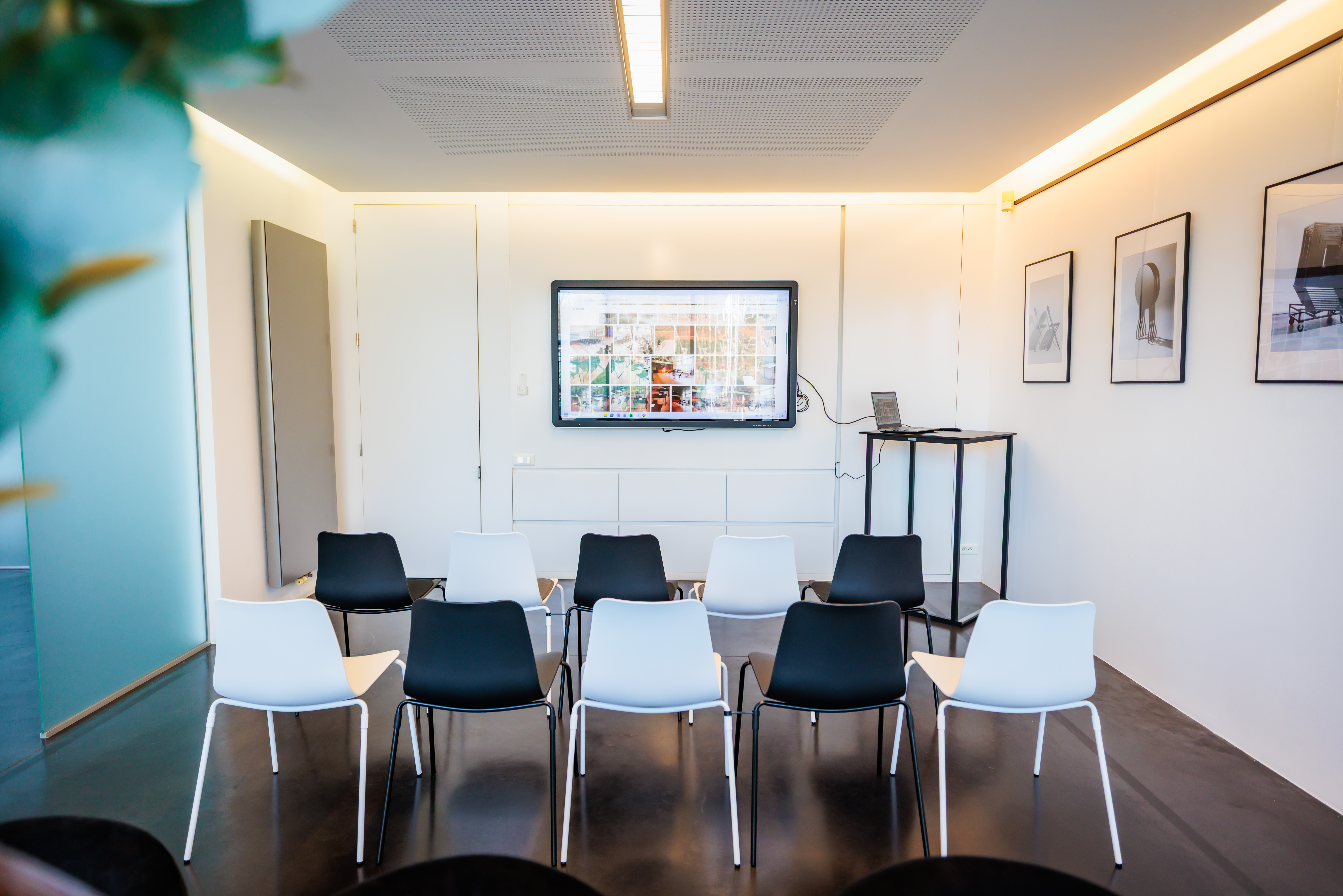
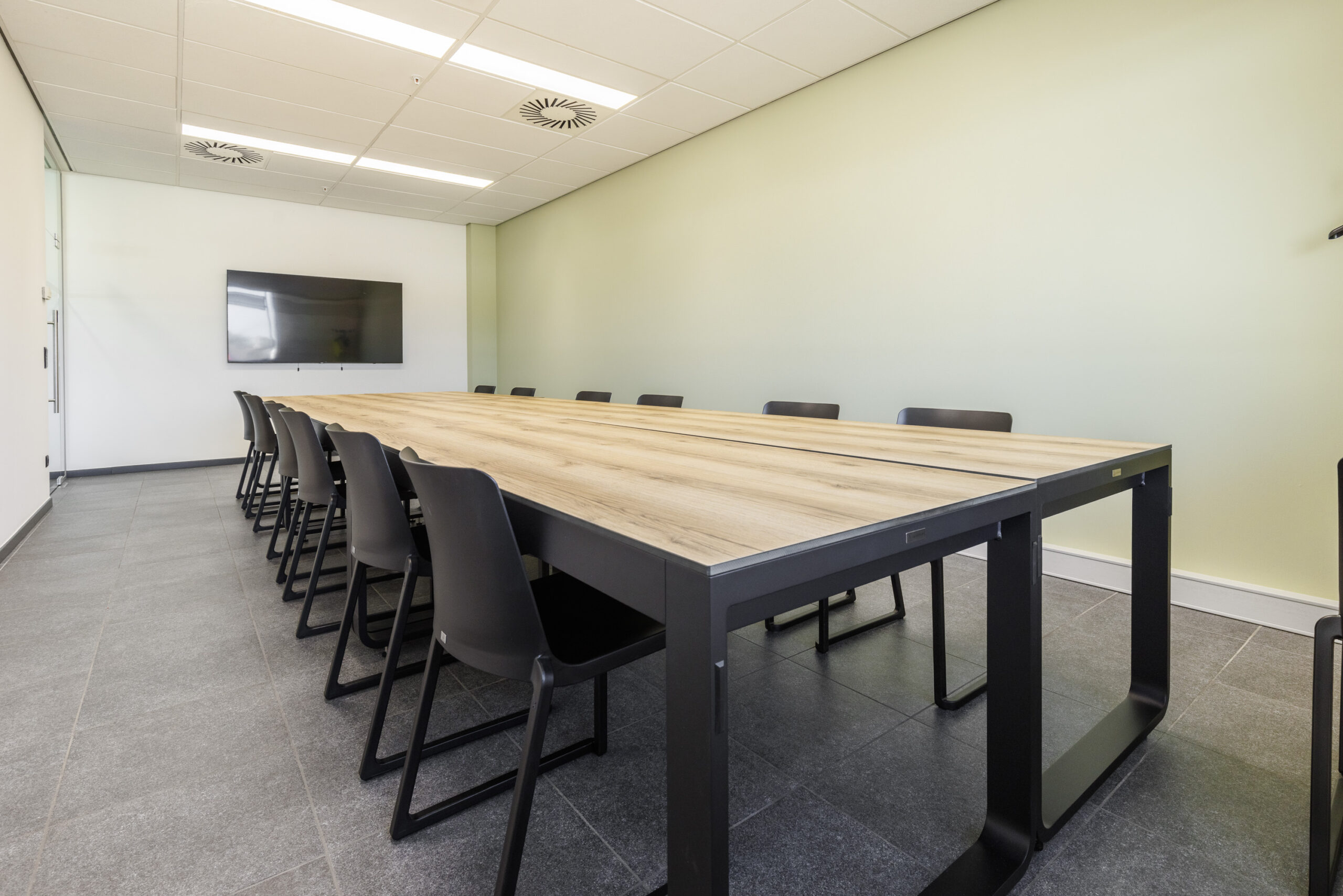
Various layouts are possible, depending on the type of conference or session. The boardroom setup brings all participants together around one table and is ideal for decision-making in small groups of up to approximately twelve people. The U-shape ensures more interaction: participants see each other and the presenter, making this setup suitable for training and workshops.
For larger groups, the theater setup the most efficient choice, with chairs in rows without tables for maximum capacity and focus on the speaker. If you want to encourage collaboration, then work islands Interesting: small clusters of tables and chairs that are perfect for group work or breakout sessions.
Finally, there is the hybrid setup, where physical and online participants are combined. In this case, it is important that the setup is aligned with cameras and screens, so that everyone remains clearly visible and engaged.
efeetefe
sfsg
Checklist: furnishing a meeting room in 5 steps
Step 1: Inventory your usage. What types of meetings take place weekly? What is the maximum number of people that the room must accommodate?
Step 2: Measure your space. Calculate the available surface area and take into account walking space, storage space, and the position of doors and screens.
Step 3: Choose modular furniture. Select chairs and tables that suit the arrangements you need most often.
Step 4: Plan the storage. Determine where you can place the remaining furniture without it getting in the way.
Step 5: Test the switching time. Set up the room as a test for each setup and measure how long it takes.
furnishing a meeting room
FAQ
What should I look out for when buying conference chairs?
Focused on seating comfort for longer meetings, stackability for storage, and a durable material that can withstand daily use.
Which FlexFurn table is best suited for a meeting room that is frequently reconfigured?
FlexFurn has various tables suitable for meeting rooms, such as the Flow, the Tribo, the Wings, and the Mundi, …
Does FlexFurn offer help with furnishing our meeting room?
Yes. FlexFurn has a project team that helps determine the optimal layout. They offer a customized plan of action, including a 3D simulation of your space, so you can see what different configurations look like beforehand. You can make an appointment for this at the showroom in Tessenderlo.